

Introduction
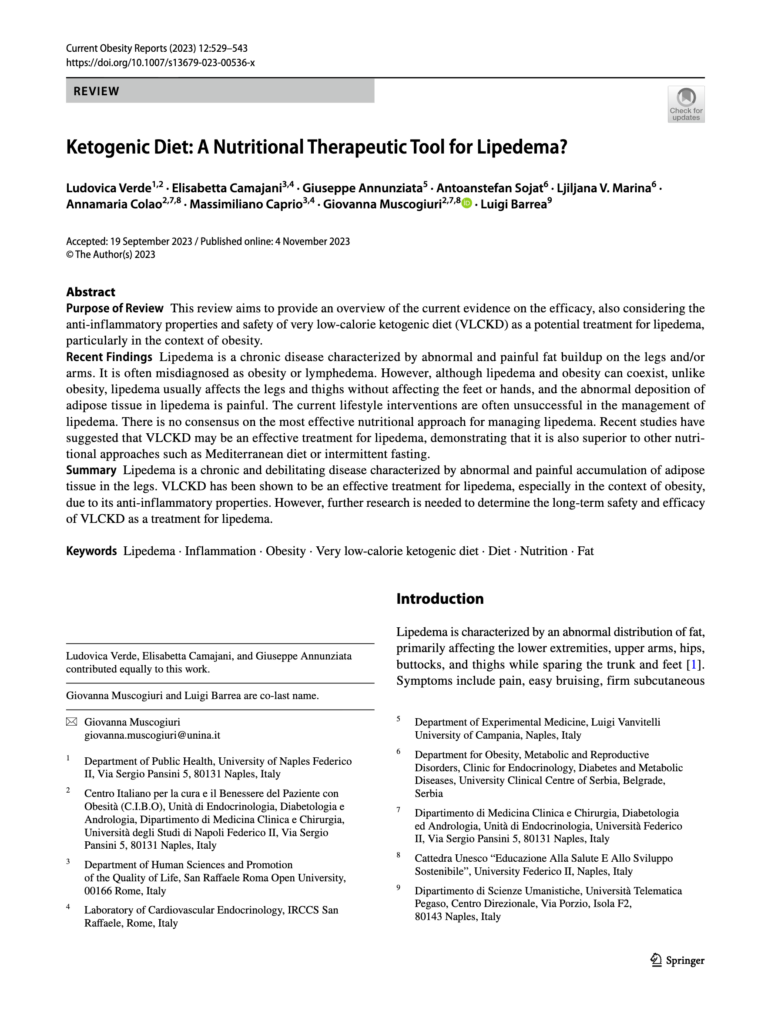
Lipedema is a chronic condition that primarily affects women, characterized by an abnormal accumulation of subcutaneous fat that is often painful and resistant to traditional diets. As medical research advances in understanding this still little-known condition, a recent study published in the journal Current Obesity Reports, titled“Ketogenic Diet: A Nutritional Therapeutic Tool for Lipedema?”, suggests that the ketogenic diet may represent a promising nutritional approach to alleviating the symptoms of lipedema. This article provides an analysis of this study and its key findings.
What is lipedema?
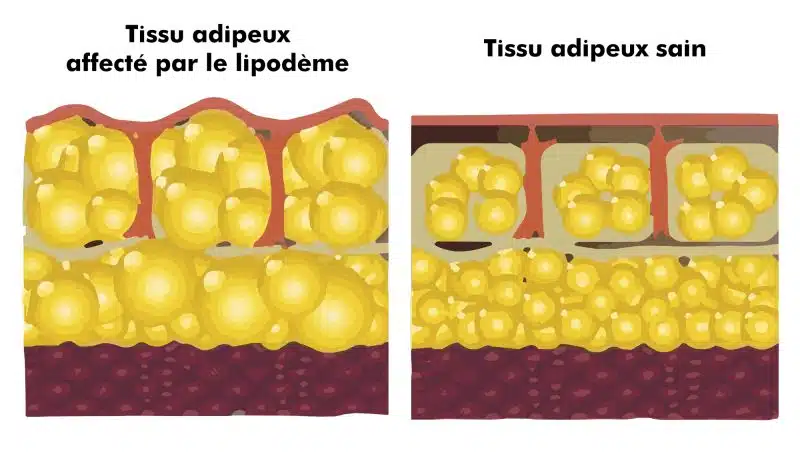
Lipoedema is often confused with obesity or cellulite because of its similar physical appearance, but it is a distinct condition characterized by an uneven distribution of fat in certain parts of the body, particularly the legs and arms. This condition, the cause of which is still poorly understood, is primarily associated with hormonal imbalances and affects mostly women.
The Study on the Ketogenic Diet: A New Approach to Treating Lipoedema?
The study conducted by Ludovica Verde and her colleagues examines the impact of the ketogenic diet on patients with lipedema. This diet, which is high in healthy fats and low in carbohydrates, induces a state of ketosis in which the body uses fat as its primary source of energy. It is already recognized for its benefits in the treatment of epilepsy, type 2 diabetes, and, more recently, certain metabolic disorders.
The research team sought to determine whether this approach could have a beneficial effect on lipedema symptoms, such as pain, inflammation, and fluid retention. Their hypothesis is that reducing carbohydrate intake and increasing consumption of healthy fats could not only help with weight loss but also improve lymphatic circulation and reduce the chronic inflammation often seen in patients with lipedema.
Results and implications
The study reveals that patients who followed a ketogenic diet for several months showed a significant improvement in their symptoms, including reduced pain and swelling. In addition, the results showed an overall improvement in quality of life among these patients, particularly due to weight loss that was more localized in the areas affected by lipedema.
The researchers conclude that the ketogenic diet could be an effective treatment for this still poorly understood disease, although they emphasize the need for larger-scale studies to confirm these initial findings.
Conclusion
This pioneering study on the ketogenic diet and lipedema opens the door to new possibilities in the treatment of this debilitating condition. Although further research is needed to validate these findings, the ketogenic diet appears to be a promising avenue for improving the quality of life for patients with lipedema. At France Lipoedème, we are committed to closely monitoring these scientific advances and keeping our members informed of the latest discoveries to better understand and treat this condition.
Members of France Lipoedème can access the full study and discuss this topic in the members-only section. Please feel free to contact us for more information on how it works.