
Care & Treatments
Lipedema
management
The management of lipedema is based on a multidisciplinary approach aimed at alleviating symptoms, reducing discomfort, and improving patients' quality of life. In this section, we explore the various treatment options available for lipedema, with a focus on physical, surgical, and psychological approaches.
Physical approaches
Physical approaches constitute an essential pillar of lipedema management, aiming to reduce symptoms, improve blood circulation, and promote patient comfort, whether for relieving lipedema symptoms or in the postoperative setting. Among these approaches, compression therapies play a central role in lipedema treatment.
Compression stockings or tights are medical devices designed to apply graduated pressure to the lower limbs, thereby helping to reduce swelling and improve blood circulation. By compressing blood vessels and promoting venous return, they help prevent fluid accumulation and alleviate symptoms associated with lipedema, such as the sensation of heaviness and pain.
In addition to compression therapies, lymphatic drainage may also be recommended in the management of lipedema. This gentle manual technique aims to stimulate the lymphatic system to promote the evacuation of excess fluids and toxins, thereby reducing swelling and improving lymphatic circulation. Lymphatic drainage can be performed by qualified healthcare professionals and may be used as a complement to other physical approaches to relieve lipedema symptoms and optimize treatment outcomes.
Surgical approaches
In severe cases or those resistant to conservative treatments, liposuction is often considered a surgical option to treat lipedema. Liposuction aims to eliminate excess fat from the affected areas, thereby providing significant symptom relief. This surgical procedure is considered the only lasting treatment for lipedema, as the removed fat generally does not return to the surgically treated areas. Several liposuction techniques are available, each offering specific advantages in terms of precision, reduction of trauma to surrounding tissues, and postoperative recovery. Compression stockings or tights are medical devices designed to apply graduated pressure to the lower limbs, thereby helping to reduce swelling and improve blood circulation. By compressing blood vessels and promoting venous return, they help prevent fluid accumulation and alleviate symptoms associated with lipedema, such as the sensation of heaviness and pain.
Water-jet Assisted Liposuction (WAL)
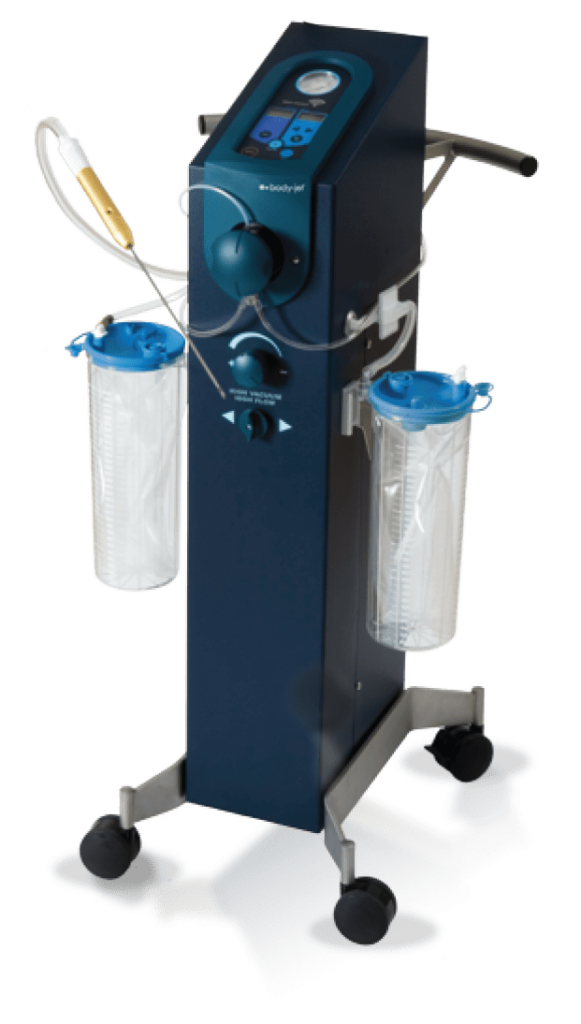
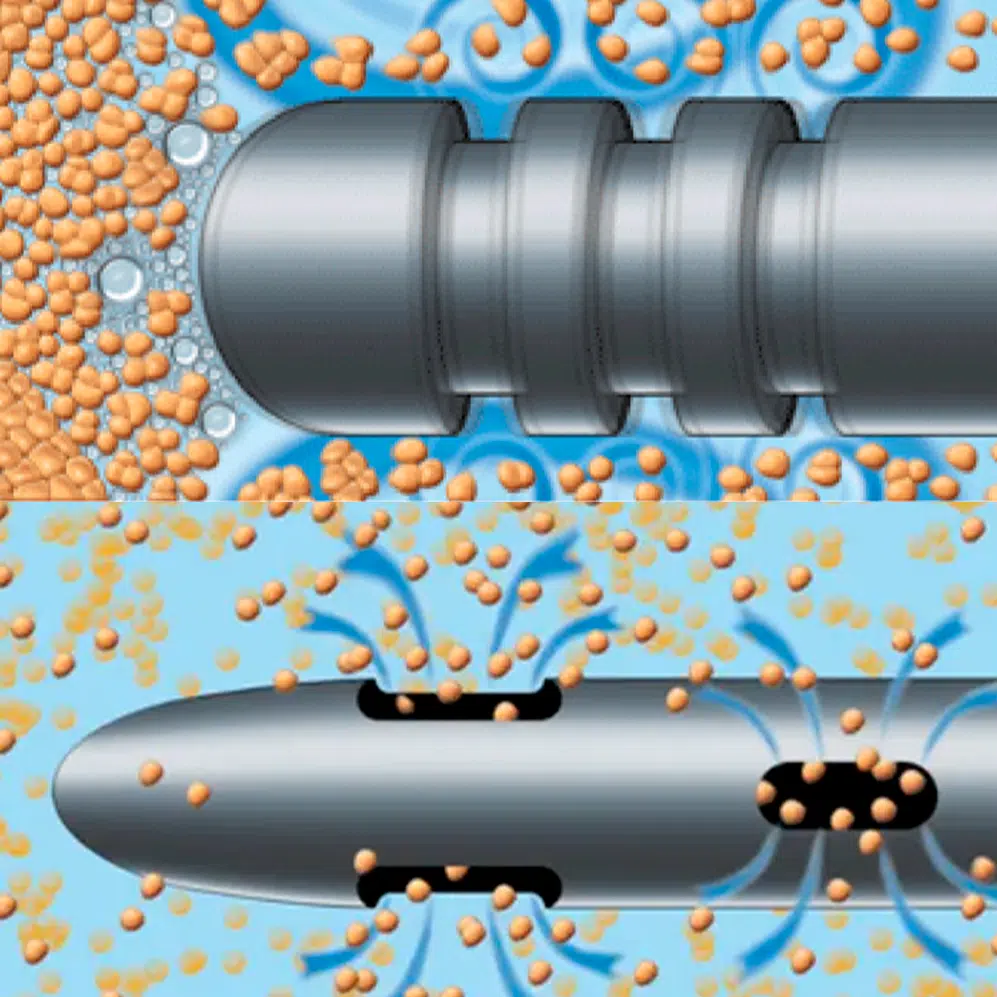
Water-jet Assisted Liposuction, or WAL, uses a pressurized water jet to emulsify and remove fat gently and effectively. This technique allows for more delicate fat aspiration, thereby reducing trauma to surrounding tissues and accelerating postoperative recovery. It is particularly well-suited for patients presenting with lipedema, offering effective symptom relief while minimizing complications. Compression stockings or tights are medical devices designed to apply graduated pressure to the lower limbs, thereby helping to reduce swelling and improve blood circulation. By compressing blood vessels and promoting venous return, they help prevent fluid accumulation and alleviate symptoms associated with lipedema, such as the sensation of heaviness and pain.
Tumescent-Assisted Liposuction (TAL)
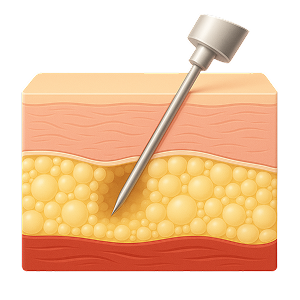
Tumescent-Assisted Liposuction, or TAL, involves the injection of a tumescent anesthetic solution into the fatty tissues prior to fat aspiration. This tumescent solution helps reduce the risks of bleeding and postoperative complications, making it a safe and effective option for treating lipedema. TAL liposuction allows for precise fat extraction while preserving surrounding tissues, thereby providing optimal aesthetic results.
Vibration Amplification of Sound Energy at Resonance Liposuction (VASER)
Vibration Amplification of Sound Energy at Resonance, or VASER, uses ultrasound to emulsify fat prior to aspiration. This technique enables selective fat removal while preserving surrounding tissues, thereby providing more precise results and faster recovery. VASER liposuction is particularly effective in treating lipedema, offering gentle body contouring and lasting symptom relief.
Psychological approaches
The psychological dimension of lipedema is essential in the comprehensive management of the condition. Patients may face various emotional challenges, such as stress, anxiety, and depression, due to the visible physical changes associated with the disease. Psychological approaches provide crucial support by offering a safe space to express these concerns and helping to develop positive coping strategies. By integrating these approaches, patients can improve their overall quality of life. It is recommended that patients discuss available psychological support options with their healthcare team and how this can complement their medical and physical treatment.